
.svg)





Go Autonomous and Oracle
Oracle runs your operations. Go Autonomous executes what arrives in your inbox before anyone touches it.








Oracle Runs Your Operations. Not Your Inbox.
Oracle Runs Your Operations. Not Your Inbox.
Where Oracle ERP Ends and Manual Handling Begins
Oracle manages every rule. Inbox handling is still manual.
Oracle Fusion, E-Business Suite, and NetSuite manage your pricing, inventory, and customer contracts with precision. The gap is what happens between the customer sending an order and Oracle seeing it. That step is still manual for most B2B operations teams.
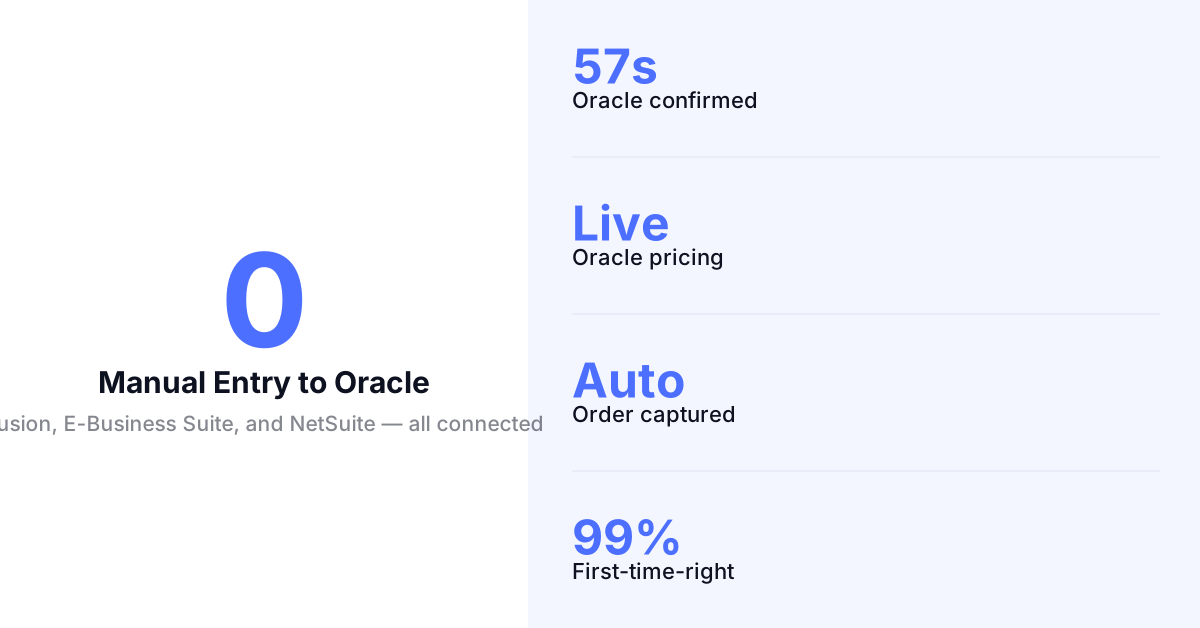
Oracle holds the answer. Your inbox still needs a person to find it.
The Execution Gap Oracle Does Not Fill.
The Execution Gap Oracle Does Not Fill.
What Oracle Does Not Handle at the Order Inbox
Oracle confirms transactions. It does not capture them.
Oracle is built for what happens after a transaction is confirmed. It was not built to read an email attachment, extract the order, validate it against pricing and product data, and submit a confirmed response back to the customer. Every manual step in that path carries risk.
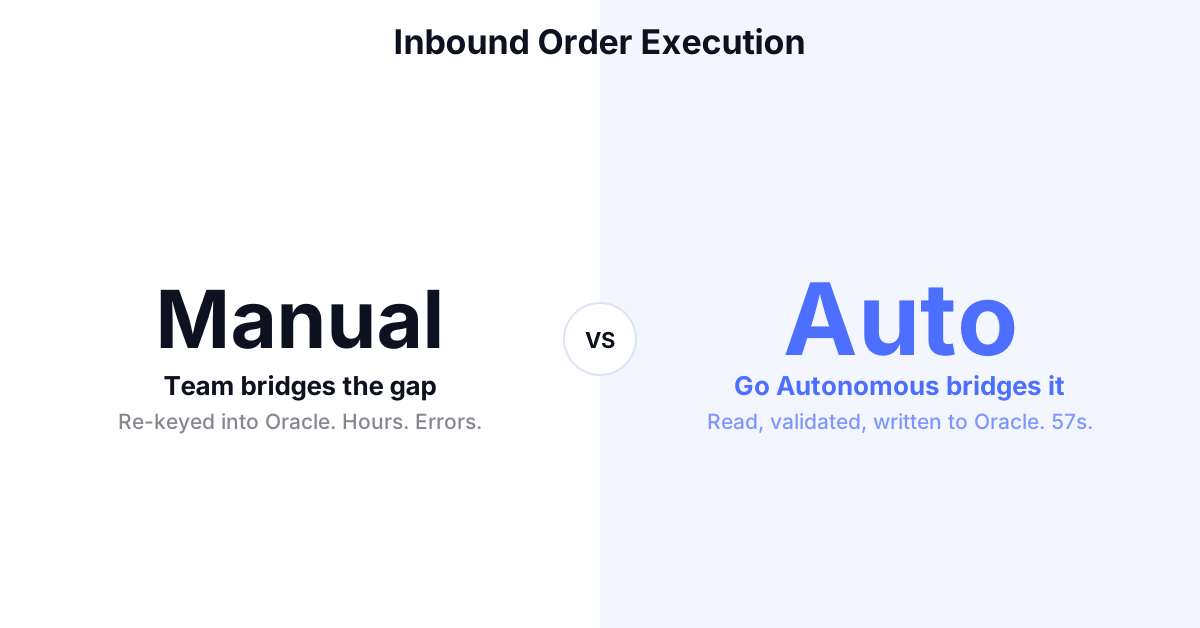
Oracle and Go Autonomous. Results by the Numbers.
Oracle and Go Autonomous. Results by the Numbers.
From Oracle data query to confirmed order response
First-time-right on all Oracle-validated transactions
Reduction in manual order processing workload
More order throughput per customer service team member
Oracle Data. Autonomous Execution. No Gap.
Oracle Data. Autonomous Execution. No Gap.
What Go Autonomous Reads From and Writes to Oracle
Every transaction validated against Oracle and executed.
Go Autonomous connects to Oracle through the Flow integration layer. It reads pricing, product master, and inventory from Oracle at execution time, processes the incoming order or quote, and writes the confirmed result back to Oracle without a separate entry step.
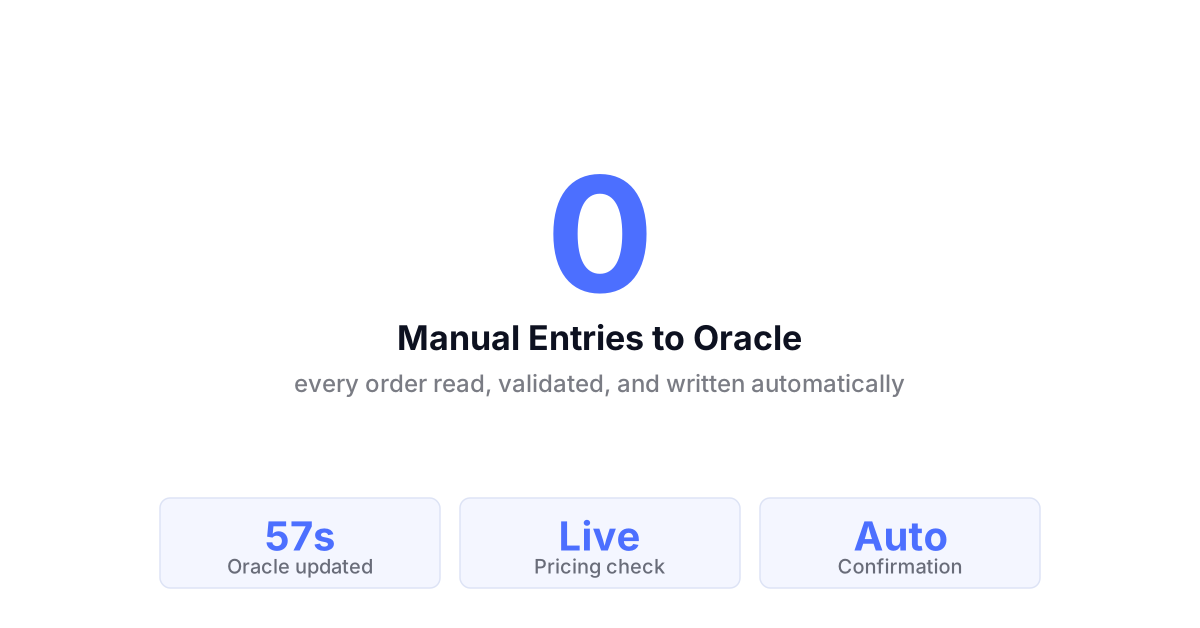
Orders Written to Oracle. Zero Manual Entry.
Orders Written to Oracle. Zero Manual Entry.
Autonomous Order Entry Directly to Oracle
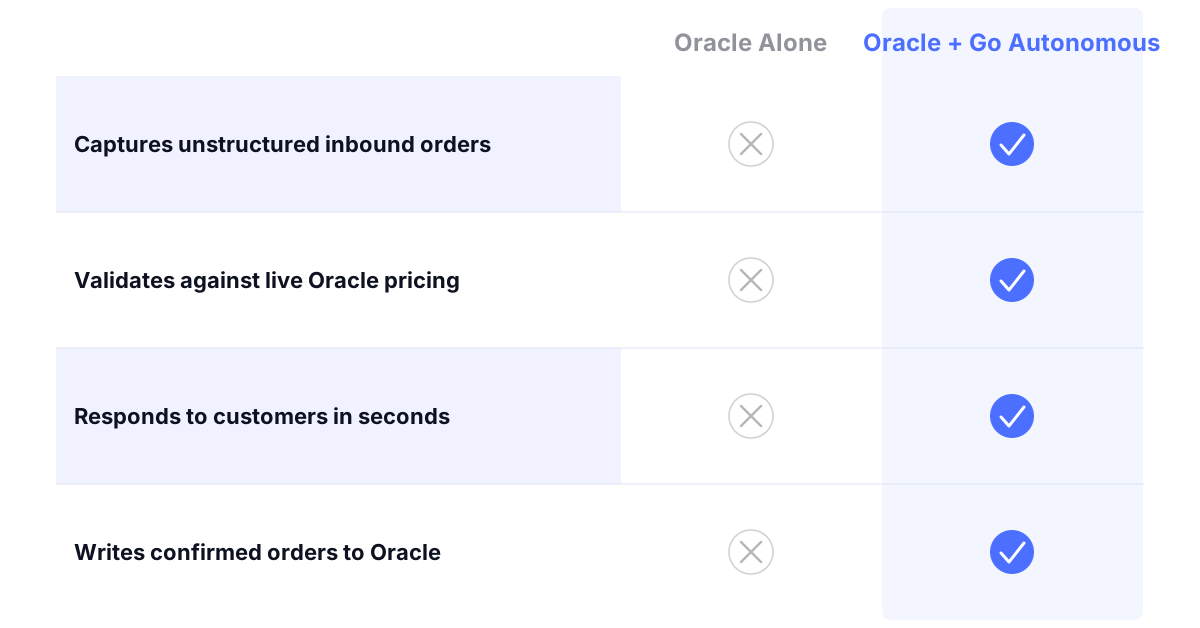
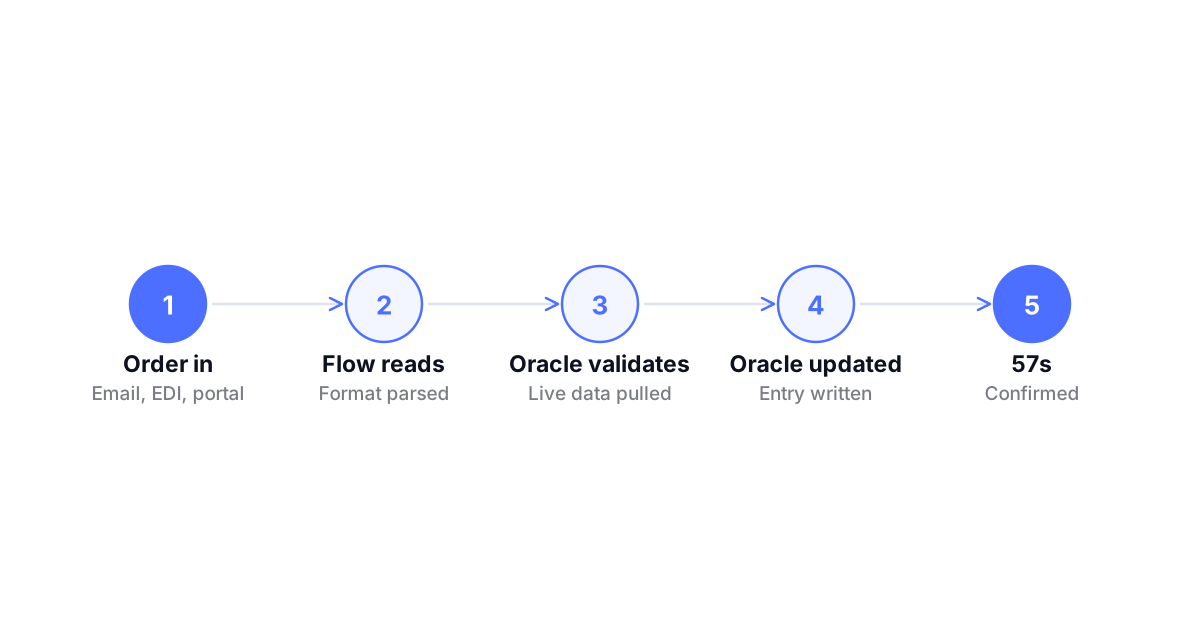
Go Autonomous reads incoming orders from email, EDI, and portal channels, validates each against Oracle pricing and product data in real time, and submits the confirmed order to Oracle automatically. Your team handles only the exceptions.
What an Oracle Execution Layer Changes.
Oracle always sees a confirmed transaction. Not a raw request.
Every order validated against Oracle rules before it lands in the system. No unstructured data entering Oracle requiring manual cleanup.
Oracle pricing applied at the point of execution.
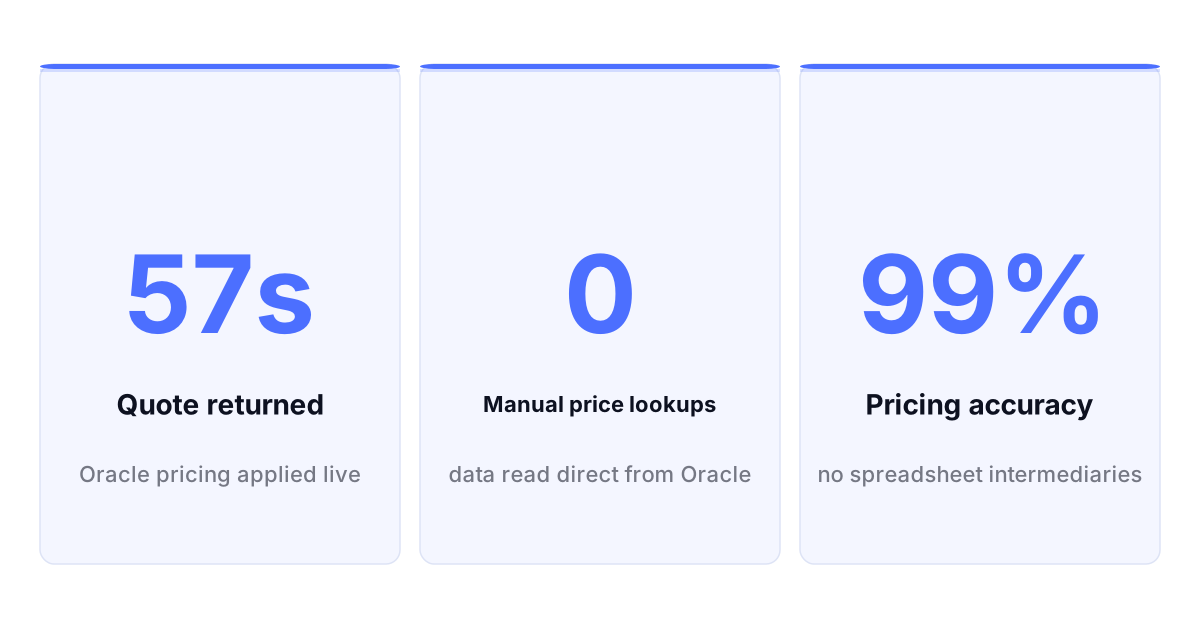
Live pricing from Oracle used on every quote and order. No manual rate lookup, no pricing deviation, no approval step.
Every inbound channel writes to one Oracle instance.
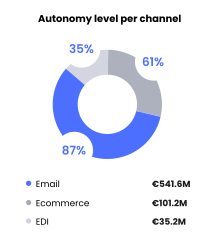
Email, EDI, portal. One execution layer. One Oracle destination. One source of truth for all confirmed transactions.
Exceptions carry Oracle context. No re-querying the system.
Escalations reach your team with the Oracle record already attached. They resolve from context, not from opening Oracle to find it.
This is not an Oracle integration. It is execution.
Oracle integrations move data between systems. Autonomous Commerce reads every inbound request, validates it against your live Oracle environment, and executes the confirmed transaction without a human bridging the gap.

Oracle integrations move data between systems. Autonomous Commerce reads every inbound request, validates it against your live Oracle environment, and executes the confirmed transaction without a human bridging the gap.
Quotes Returned Against Oracle Pricing. Instantly.
Quotes Returned Against Oracle Pricing. Instantly.
Autonomous Quote Execution With Oracle Pricing
Go Autonomous reads incoming RFQs from any channel, pulls live pricing and product availability from Oracle, and returns accurate quotes automatically. Customer-specific pricing agreements applied without any manual rate lookup or approval step.
Blanket Orders Confirmed Against Oracle Rules.
Blanket Orders Confirmed Against Oracle Rules.
Autonomous Blanket Order Execution via Oracle
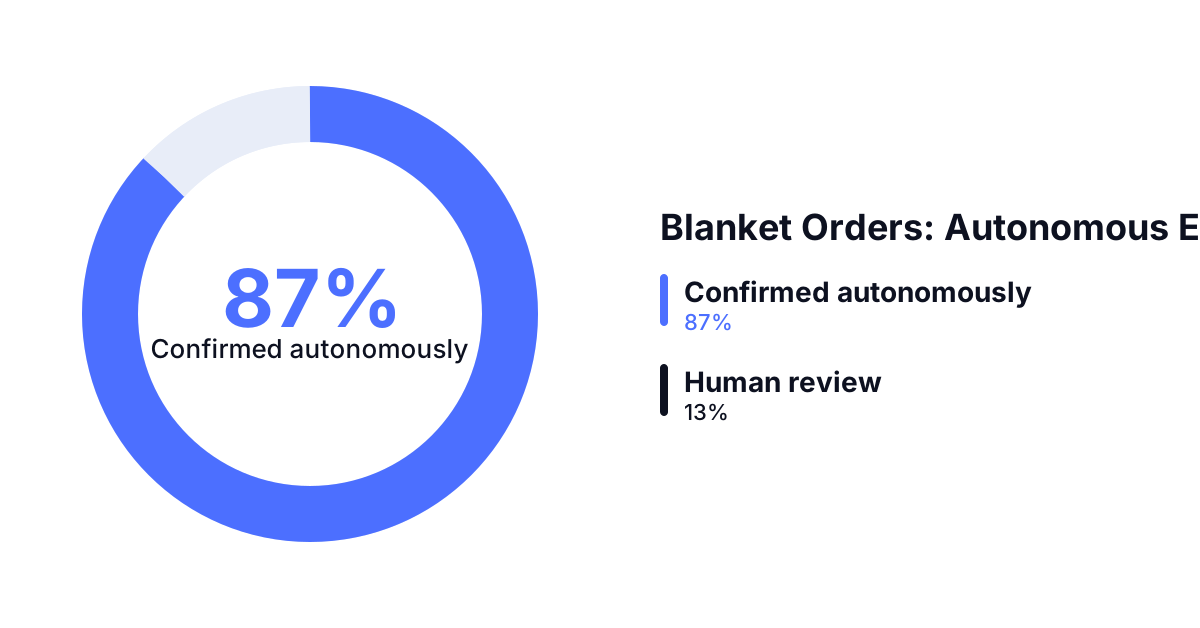
Incoming call-offs and scheduled releases are validated against blanket agreement terms held in Oracle and confirmed automatically when within tolerance. Deviations are escalated with the Oracle record and order context attached for immediate resolution.
The Layer That Connects Oracle to Your Inbox.
The Layer That Connects Oracle to Your Inbox.
Flow Reads From and Writes to Oracle in Real Time
Flow connects every inbound channel to your Oracle environment, reads data at the moment of execution, and writes confirmed orders back without a separate entry step. Every channel handled. One Oracle instance updated.
Results From the Field.
Danfoss — Autonomous order execution deployed across 26 countries simultaneously, with orders confirmed in under one minute across all markets. Read the press release
Nilfisk — Scaled order volume across multiple European markets without growing the customer service team processing incoming requests. Read the press release
IFM Electronic — Moved the majority of order revenue to autonomous execution within two months of deployment. Read the story
Autonomous Commerce Product Suite
Workstation Where your team handles exceptions, reviews complex quotes, and manages edge cases. Full context on every escalation. No chasing information.
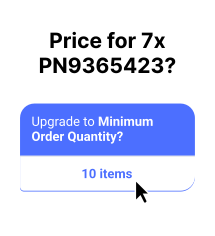
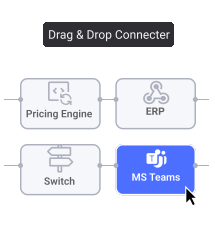
Flow Where every inbound channel connects to your ERP. Email, EDI, portal unified into one execution layer from the moment a request arrives.
Pulse Where performance is tracked in real time. Every transaction monitored, every exception flagged before it becomes a customer problem.
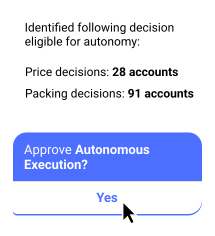
Decision Analytics Where patterns become decisions. Pricing gaps, capacity constraints, and demand signals surfaced automatically before you ask for them.
Common Questions
Does Go Autonomous replace Oracle ERP?
No. Go Autonomous works alongside Oracle as an execution layer for inbound commerce. Oracle remains your system of record. Go Autonomous reads pricing, product, and customer data from Oracle at execution time and writes confirmed transactions back automatically.
Which Oracle products does Go Autonomous connect to?
Go Autonomous connects to Oracle Fusion Cloud ERP, Oracle E-Business Suite, and Oracle NetSuite through the Flow integration layer. The connection uses standard Oracle APIs and does not require custom development inside your Oracle environment.
How does Go Autonomous write confirmed orders back to Oracle?
Confirmed orders are submitted to Oracle through Flow without a separate entry step. The order lands in Oracle as a validated transaction with all required fields populated from the original request. No manual approval or re-entry is required for standard orders.
What happens when Oracle pricing or inventory data changes?
Go Autonomous reads pricing and inventory from Oracle live at the time of each transaction. When data is updated in Oracle, that change applies immediately to all subsequent executions. No cache, no sync delay, no configuration update required.
How long does Oracle integration take to implement?
Go Autonomous connects to Oracle through standard APIs and does not require custom Oracle development. Implementation scope and timeline depend on your Oracle environment and the order types in scope. Most deployments reach live execution within weeks of starting the integration.
Voice of the Customers



Explore what autonomous execution means for your operations.
Talk to an expert or see Go Autonomous in action.

Talk to an expert or see Go Autonomous in action.