

Is Your Business Ready for an AI Procurement Agent?
An AI procurement agent buys on behalf of your customer. Eight questions test whether your customer service and order execution can handle what it sends.
An AI procurement agent is software a buying company uses to find suppliers, compare offers and place orders on its behalf. For a seller it is one more source of requests, arriving through agentic commerce, which sits in one equal list with EDI, email, phone, e-commerce, punch-out, procurement portals and chat. Whatever channel the request comes from, the seller needs the execution layer underneath.
Customers expect every request, from any channel, to be executed end to end without waiting on the team. Today the customer service team still has to grow with revenue to meet that expectation, answers get slower, and bids are lost to suppliers who respond first.
What is an AI procurement agent and how does it reach a seller?
It is an agent that acts for the buyer: it reads a need, searches approved suppliers, checks price and availability, and sends a request or an order. It reaches the seller through the channels that already exist, such as email, a portal, an API or a protocol endpoint. Agentic AI is a technique buyers use. The seller’s need is the execution layer.
That layer is Autonomous Commerce, defined as “A system powered by artificial intelligence that independently manages and executes the buying and selling of goods or services, enabling business operations and transactions to be completed in real time and fully autonomously.” Go Autonomous built Autonomous Commerce. It is a category and a layer, not a channel: an autonomous execution fabric between your revenue channels and your ERP, CRM, BI, warehouse and files. It executes price, allocation, substitution, credit and delivery decisions end to end, and it talks to your team, customers and partners.
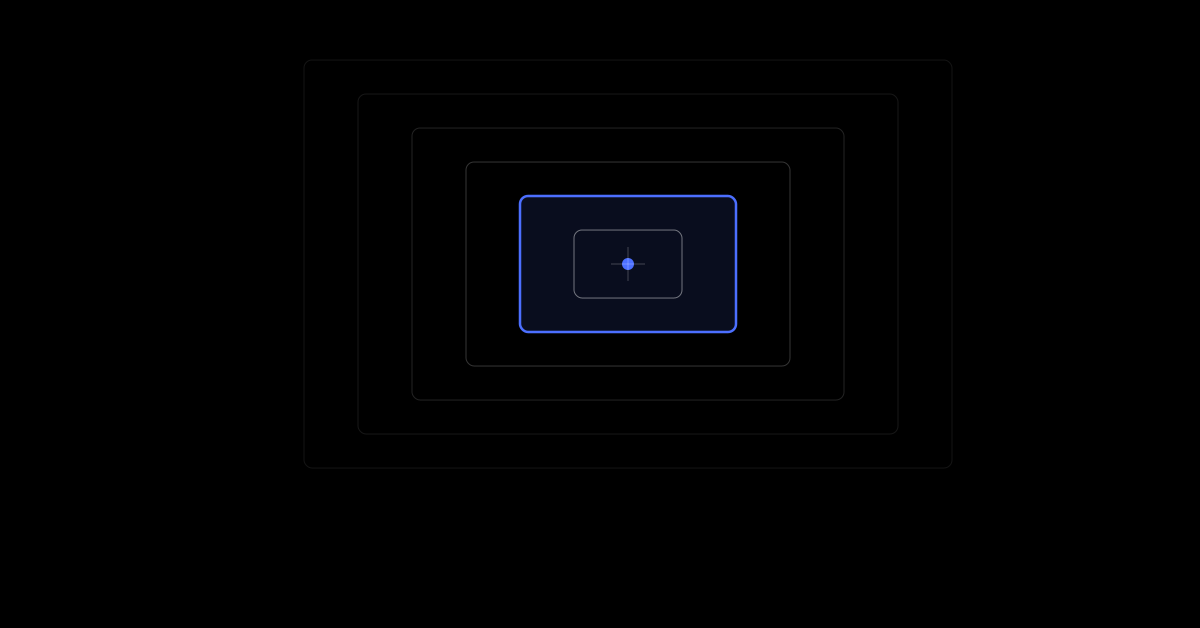
Buyer agents are one more channel above the same execution layer
- EDI
- Phone
- E-commerce
- Punch-out
- Procurement portals
- Chat
- Agentic commerce
- Price
- Allocation
- Substitution
- Credit
- Delivery
- ERP
- CRM
- BI
- Warehouse
- Files
Analysts treat this as mainstream direction, not a lab idea. PwC tracks executive adoption of AI agents in its AI agent survey, and McKinsey’s State of AI research follows how organisations are putting AI to work.
Caution is part of the picture. Gartner has warned that many agentic AI projects will be abandoned on cost and unclear value. Hence the point is not to buy an agent, but to be able to execute whatever arrives. Buyer agents will arrive unevenly, which is why a seller can prepare calmly and in steps.
What changes for the seller when the buyer is an agent?
The request becomes more precise and arrives faster. A human buyer tolerates a day of back and forth. A buyer agent compares your answer with other suppliers and moves on.
Revenue arrives through EDI, email, phone, e-commerce, punch-out, procurement portals, chat and agentic commerce. The execution layer is the same.
That puts the weight on your side of the exchange: validating the customer, finding the right product, applying the price and delivery policy, and confirming in the buyer’s format. Executing a request means deciding price, allocation, substitution, credit and delivery, then writing the result back. Drafting a reply does not do that. MIT Sloan Management Review’s research on the agentic enterprise makes the same shift in general terms: systems that act, not only advise, change how organisations are run.
Which eight questions show whether you can execute a buyer agent’s request?
Ask these of your own operation, in this order. For each one, a good answer is specific and demonstrable today, and a weak answer starts with “we could” or “someone would”.
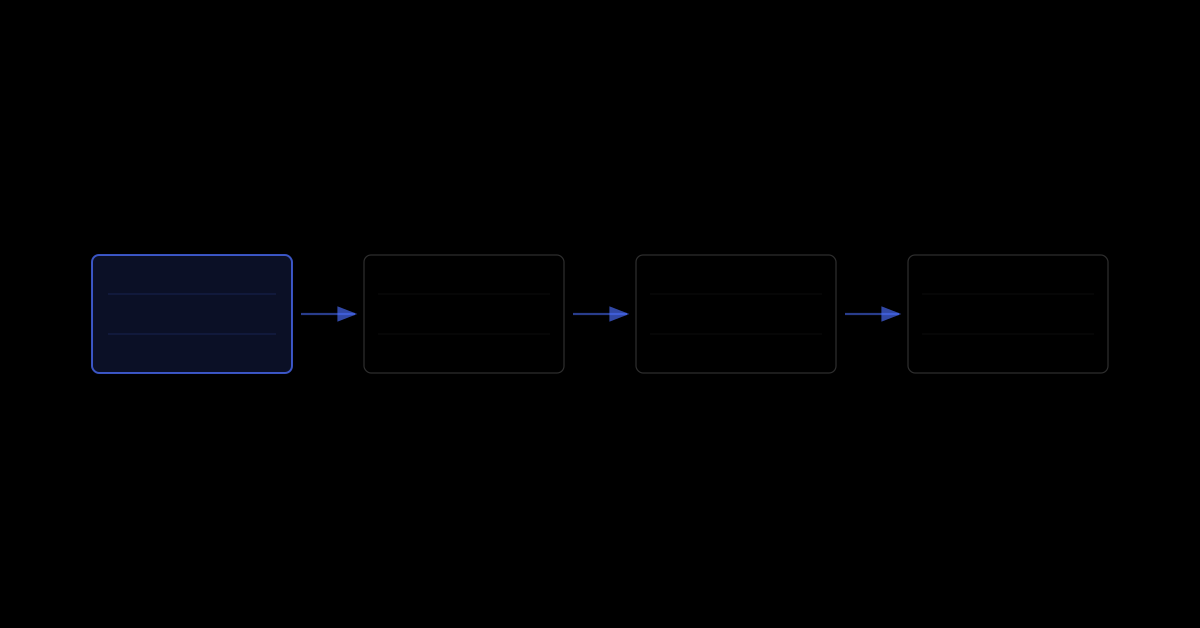
Where a request stops when policy and write-back are missing
- Request arrives
- Customer and product resolved
- Policy applied
- Written into ERP
- Request arrives
- Customer and product resolved
- Policy applied
- Written into ERP
| Question | Good answer | Weak answer |
|---|---|---|
| 1. Can you tell who is asking? | The sender is matched to the right customer account and ship-to automatically, and unknown senders are held until verified. | Identity is judged by whoever reads the message first. |
| 2. Can you read the request in whatever form it comes? | Every channel, from EDI to email to buyer agents, ends in the same validated request and executes without retyping. | Each channel has its own process and its own rework. |
| 3. Can you resolve the product? | Customer part numbers, supplier numbers and descriptions map to your item master. | Matching depends on one person’s memory. |
| 4. Can you answer price and availability in seconds? | The answer comes from live ERP data under your pricing policy, whatever channel the request used. | The answer depends on who is available and which spreadsheet they open. |
| 5. Do your policies exist as rules? | Discount bands, substitution limits and credit checks are written so a system can apply them. | They live in people’s heads and differ by country. |
| 6. Do you know which expert to ask when a request falls outside policy? | The right expert (team, vendor or supplier) is asked. The answer is recorded and the fabric learns from it. | Everything goes to a person, or nothing does. |
| 7. Can you write back into your ERP without a person? | The order is created, checked and confirmed on your existing systems without anyone keying it. | Confirmed requests are retyped into the ERP. |
| 8. Can you see what happened? | Every request, decision and exception is logged, so you can show a buyer why an answer was given. | You find out from complaints. |
Count the good answers. The argument of this post is that the gap tends to sit in policy, escalation and write-back rather than in reading the request, as Fig. 2 shows. That is where the execution work sits.
Should you wait for agent protocols to settle?
No. Protocols decide how a buyer agent connects, but the eight questions above stay the same whichever protocol wins. A seller that can validate, decide and write back can add a new entry point later. A seller that cannot will fail on every one.
Your customers will not move together either. Some will send buyer agent requests, many will keep using email, EDI or portals, and the same execution layer completes all of them without two processes.
How do you get ready on your existing systems?
Start with the questions you answered weakly, and fix them for the requests you already receive. Written policy, a clear rule for which expert to ask and a controlled write-back into the ERP help every customer today, buyer agent or not. This is the foundation of Autonomous Commerce, the category Go Autonomous built.
The manual layer between your channels and your systems is replaced by one fabric that executes and learns. As Fig. 1 shows, channels sit on top as an equal list, agentic commerce among them, and your systems sit below. There is no rip-and-replace: your ERP and CRM stay the source of truth, and the fabric reads from them and writes confirmed results back.
The outcome is every request executed end to end, whatever its source, without the customer service team growing with revenue. Danfoss sub-1-minute orders show what that looks like in practice.
Frequently asked questions
What is an AI procurement agent?
It is software that acts for a buyer: it finds suppliers, compares offers and places orders within rules the buyer sets.
Can AI agents place orders on their own?
Yes, within limits the buyer defines, such as spend caps and approved suppliers. Purchases outside those limits follow the buyer’s own rules. Whatever channel the request comes from, the seller needs the execution layer underneath.
How do suppliers receive orders from buyer agents?
Through the same channels as today, such as email, a portal or an API, and increasingly through protocol endpoints. The seller needs to validate and execute the request whichever way it arrives.
What should a seller prepare for AI buying agents?
Customer identification, product matching, live price and availability, written policies, a rule for which expert to ask and write-back into the ERP.
Do I need a new ERP to handle buyer agents?
No. Your systems stay the source of truth, and the fabric reads from them and writes confirmed results back.
Sources
- Gartner press release on agentic AI project cancellations
- PwC: AI agent survey
- MIT Sloan Management Review: The Emerging Agentic Enterprise
- McKinsey: The State of AI
Next, ask yourself: What is your Autonomous Commerce strategy?