
.svg)





Autonomous Order Execution for Industrial Manufacturers
Your team should not be processing orders. The Autonomous Execution Fabric does it for them — email, EDI, and portal orders confirmed into your ERP, end-to-end, without a manual step.








Your Order Management Team Is the Bottleneck. Here Is Why That Happens.
Your best people are reading email orders. Reviewing EDI exceptions. Re-keying data into ERP. Every one of those steps is something a system should be doing.
And it compounds. As order volume grows, the manual work grows with it. More staff. More errors. More customers waiting for confirmation while your team catches up.
The Autonomous Execution Fabric takes over the entire execution chain.
It reads the order. Applies your commercial rules. Resolves the exception. Confirms it into your ERP. Standard orders never touch a human inbox. Your team gets back to work that actually needs their judgment.
What the Industry Calls Order Automation Still Waits for Someone to Click Approve
What the Industry Calls Order Automation Still Waits for Someone to Click Approve
Most tools route the order. Flag the exception. Put it in front of a person. The human still decides. The human still enters. That is assisted manual processing, not execution.
Your team is still the bottleneck, just with a fancier inbox. The Autonomous Execution Fabric removes that handoff entirely. It makes the decision based on your rules and executes it. No person in the loop on standard transactions. No approval click required.
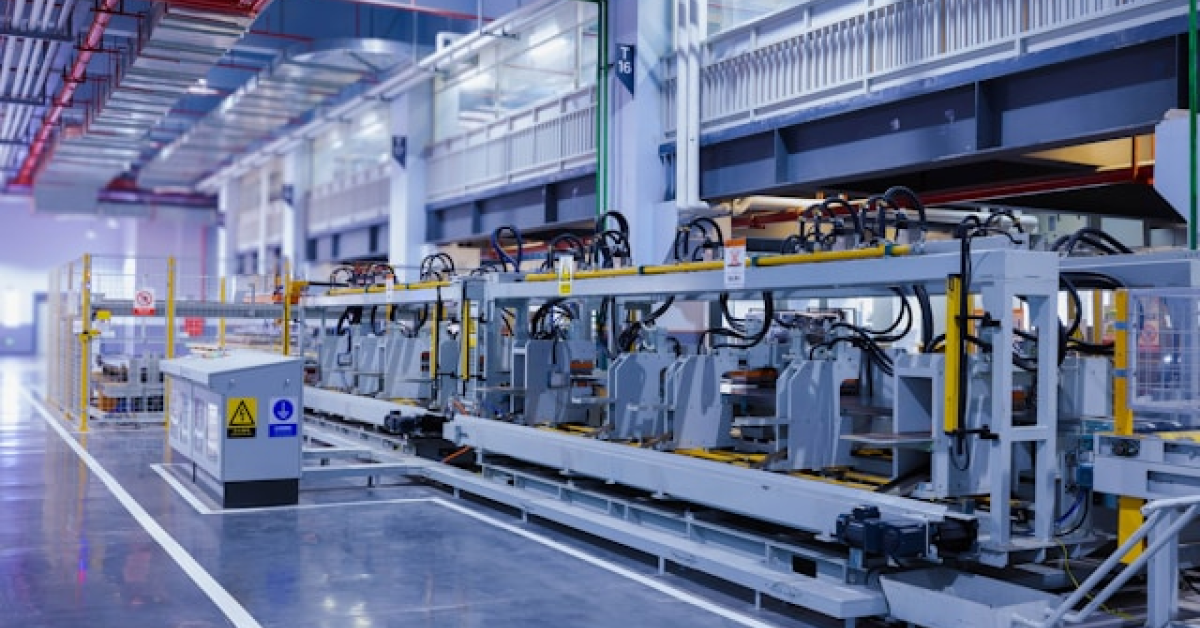
How the Execution Fabric Processes Every Manufacturing Order End-to-End
How the Execution Fabric Processes Every Manufacturing Order End-to-End
It connects to your existing ERP. It does not replace anything. It adds the execution layer your stack is missing.
The Execution Fabric reads every inbound order regardless of format, interprets what the customer actually wants, validates against your catalog and account terms, and pushes a confirmed order into your ERP in seconds. Email, EDI, portal, e-commerce. One engine handles all of them. From the moment the order arrives to the moment it is in your ERP, your team does not need to be involved.
What Changes When Autonomous Execution Runs Your Order Processing
Execute Every Order Channel Without Your Team Managing the Queue
Email, EDI, e-commerce, and portals handled end-to-end. Standard orders move from intake to ERP without a person touching them.
Drive Faster Revenue Cycles on Every Customer Account You Have
Orders confirmed in seconds instead of hours. Your customers get real-time response. Your team is not managing the delay.
Eliminate the Entry Errors That Quietly Leak Margin Every Single Month
Orders validated against your rules and entered in the correct format. No manual re-keying means no errors slipping through.
Scale Order Volume Without Adding to Your Operations Headcount
Volume doubles. The operations team does not grow with it. The Execution Fabric handles the increase, not your hiring plan.
Enforce Your Pricing Rules Consistently on Every Transaction
Customer contracts, tier pricing, and account terms applied on every order. No manual exceptions. No under-priced transactions.
Unlock Full Audit Visibility on Every Decision the System Makes
Every execution decision is logged and explainable. Commercial governance at scale, without adding review steps to the process.
Not Sure What Autonomous Execution Looks Like in Practice? Start Here.
Not Sure What Autonomous Execution Looks Like in Practice? Start Here.
This white paper walks through exactly what manufacturers are doing differently — and why traditional approaches to order management stop scaling.
It covers why inbox-driven order processing creates an unavoidable bottleneck as volume grows, what the Execution Fabric does step by step, and how manufacturers moved to fully autonomous order execution in a matter of weeks.

See Autonomous Execution Running in a Live Manufacturing Operation
See Autonomous Execution Running in a Live Manufacturing Operation
Watch a real B2B order move from email intake to ERP confirmation without a human step involved.
The order arrives. The Execution Fabric reads it, checks your commercial rules, and confirms it into your ERP. Your team does not see it until it is done. No queue. No manual step. This is what manufacturers using the Autonomous Execution Fabric experience on every standard transaction they process.
Global Deployment in Days. Not Months. Here Is What That Looks Like.
Global Deployment in Days. Not Months. Here Is What That Looks Like.
Danfoss deployed the Execution Fabric across 26 countries in a single day. IFM moved from 22 percent to over 95 percent digitised revenue within two months.
These are not exceptional deployments. They reflect how the system is designed: it connects to your existing ERP and starts executing. No multi-year project. No disruption to live operations.

What Manufacturers Experience After Deploying the Execution Fabric
What Manufacturers Experience After Deploying the Execution Fabric
Fewer order errors
Countries live in one day
Revenue digitised in 2 months
Clicks per order
Frequently Asked Questions About Autonomous Order Execution for Manufacturers
What is autonomous order execution in industrial manufacturing?
Autonomous order execution means every inbound B2B order is processed end-to-end without your team touching it. The system reads the order, validates it against your pricing and account rules, resolves exceptions on its own, and confirms it into your ERP. No inbox. No approval queue. No manual entry. For industrial manufacturers, this means order volume can grow without growing the team managing it. See how the Autonomous Execution Fabric works.
How is this different from what most order management software does?
Most order management software routes orders, flags exceptions, and puts them in front of a person to review. A human still approves and enters the transaction. The Autonomous Execution Fabric completes the transaction. It does not assist your team. It makes the decision using AI trained on your commercial logic and executes it. The difference is not incremental. See the full comparison.
How does the Execution Fabric handle EDI exceptions without human review?
EDI channels in manufacturing typically produce 20 to 40 percent exception rates. Orders that deviate from expected formats have historically required a person to review and release them. The Execution Fabric resolves these autonomously using AI trained on your historical decisions and exception patterns. Your team does not see them until they are confirmed. This is where manufacturers typically see the biggest throughput gain.
Which ERP systems does Go Autonomous work with for manufacturing?
Go Autonomous integrates with SAP, Oracle, Microsoft Dynamics, and other ERP platforms used by industrial manufacturers. The Execution Fabric does not replace your ERP. It sits above your existing stack and pushes confirmed orders in the correct format. See all integrations.
How quickly does a manufacturer go live with the Execution Fabric?
Weeks, not months. Danfoss deployed across 26 countries in a single day. IFM moved from 22 percent to over 95 percent digitised revenue within two months. The Execution Fabric connects into your existing systems and starts processing orders. Most manufacturers see autonomous execution running on live orders within the first few weeks of deployment.
Does it work for manufacturers operating across multiple countries?
Yes, and this is one of its strongest capabilities. The Execution Fabric applies different pricing rules, account terms, and compliance requirements by country or region at the point of execution. Danfoss deployed across 26 countries in one day. Country-specific commercial logic is enforced automatically, not in a separate review step per market.
What happens to orders that do not match standard parameters?
The Execution Fabric handles non-standard orders using AI trained on your historical exception decisions. Orders with unusual quantities, special pricing, or partial availability are not immediately escalated to your team. The system resolves them based on your commercial guidelines. If an exception genuinely requires human judgment, it is routed with full context attached, not dropped into an inbox queue.
How does faster order execution affect revenue for manufacturers?
Revenue moves at the speed of order confirmation. When customers get confirmed orders in seconds instead of hours, satisfaction improves and repeat purchase behaviour follows. When exceptions stop creating backlogs, order capacity grows without adding cost. When manual entry errors stop, margin leaks close. Nilfisk reduced order errors by 43 percent. Laerdal went from 93 to 5 clicks per order. See how execution drives topline growth.
Explore More on Autonomous Commerce


What Manufacturing Leaders Say About Autonomous Commerce



See It Execute in Your Manufacturing Operation
Book a live demo. See the Execution Fabric process real manufacturing orders end-to-end, without a single manual step. No slides. No theory.

See It Execute in Your Manufacturing Operation
Book a live demo. See the Execution Fabric process real manufacturing orders end-to-end, without a single manual step. No slides. No theory.